
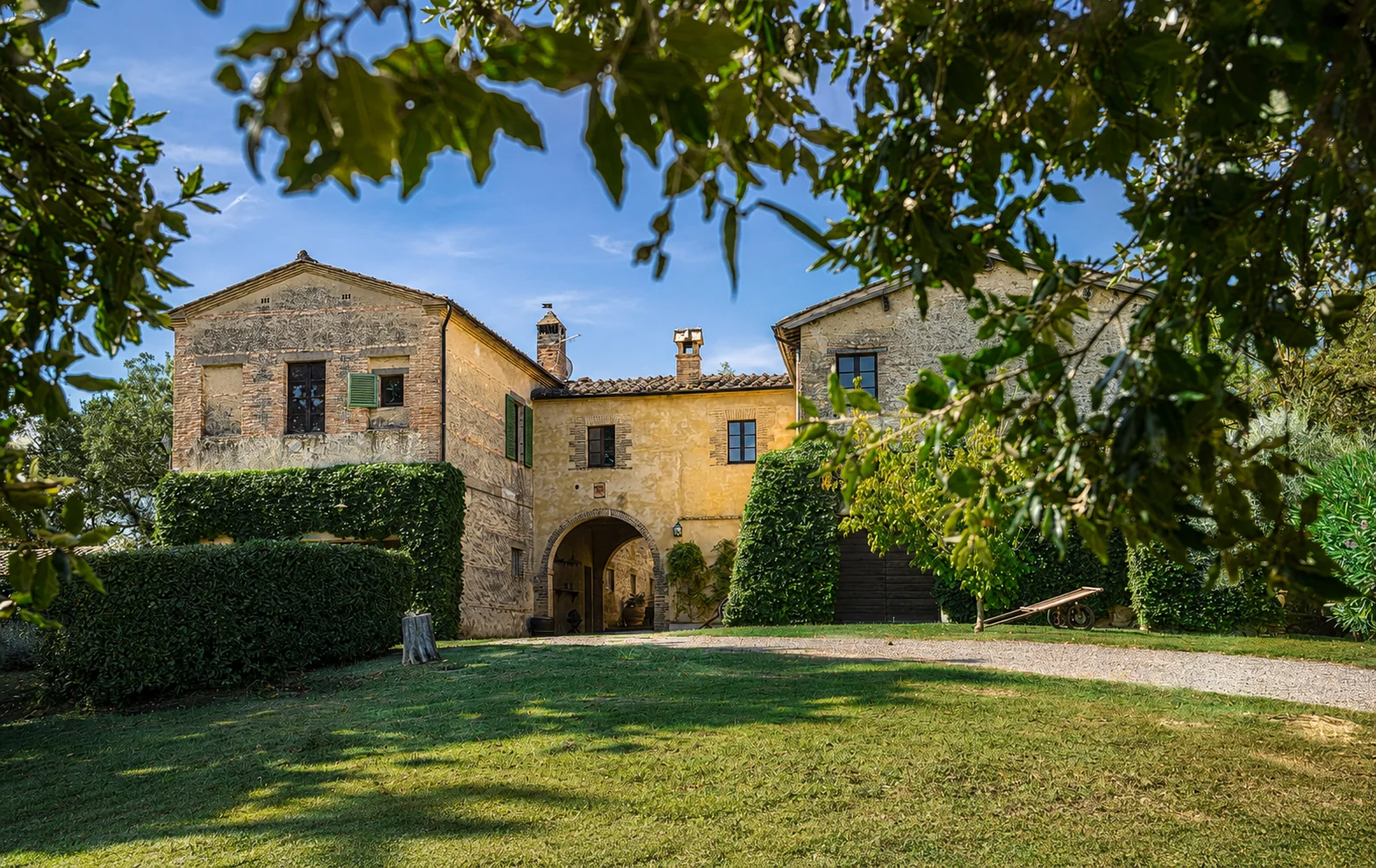
Scotland rewards travelling on foot. From long-distance trails and dramatic Highland paths to gentler woodland walks, hiking offers a direct way to experience the landscape, clear the mind and give a retreat a natural rhythm.
Walking in Scotland
More than a route through the landscape
A Scottish walk can be gentle and restorative or ambitious and exhilarating. Woodland paths, river valleys and mountain trails create opportunities for every level of experience, while changing weather and light ensure that no two days feel the same.
For a retreat group, time outdoors provides a shared experience without demanding constant conversation. Guests return with clearer heads, fresh energy and stories that naturally carry into the evening.
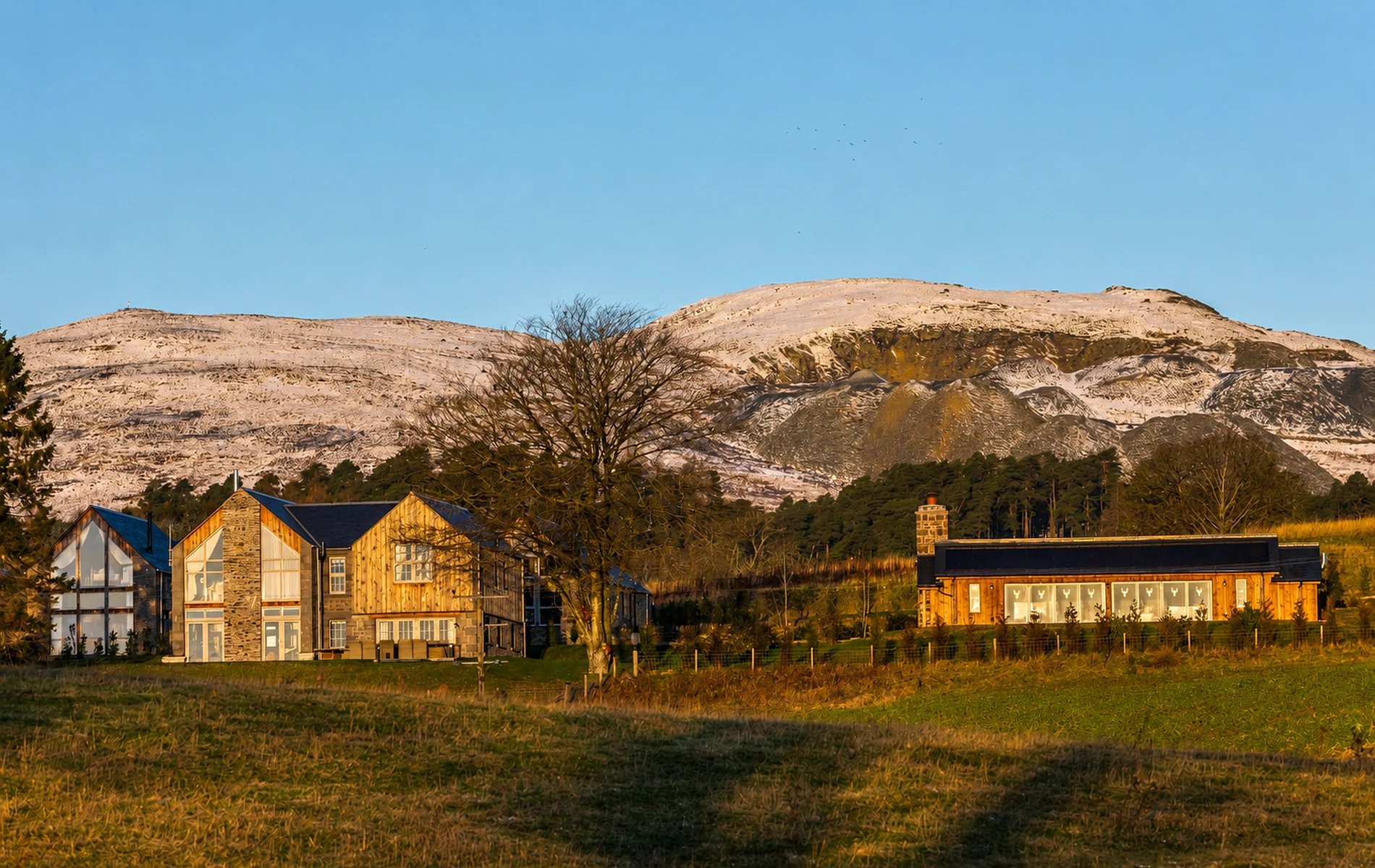
Why walking belongs in a retreat
Walking creates a pause from screens, schedules and familiar surroundings. Even a short route can improve mood, support restful sleep and make space for better conversation. For groups, walking side by side often feels easier and more open than another meeting around a table.
The landscape is not simply the backdrop to a retreat. On foot, it becomes part of the experience.
Why walk
Why add hiking to your retreat
One well-planned day outdoors can change the pace and character of the whole gathering.
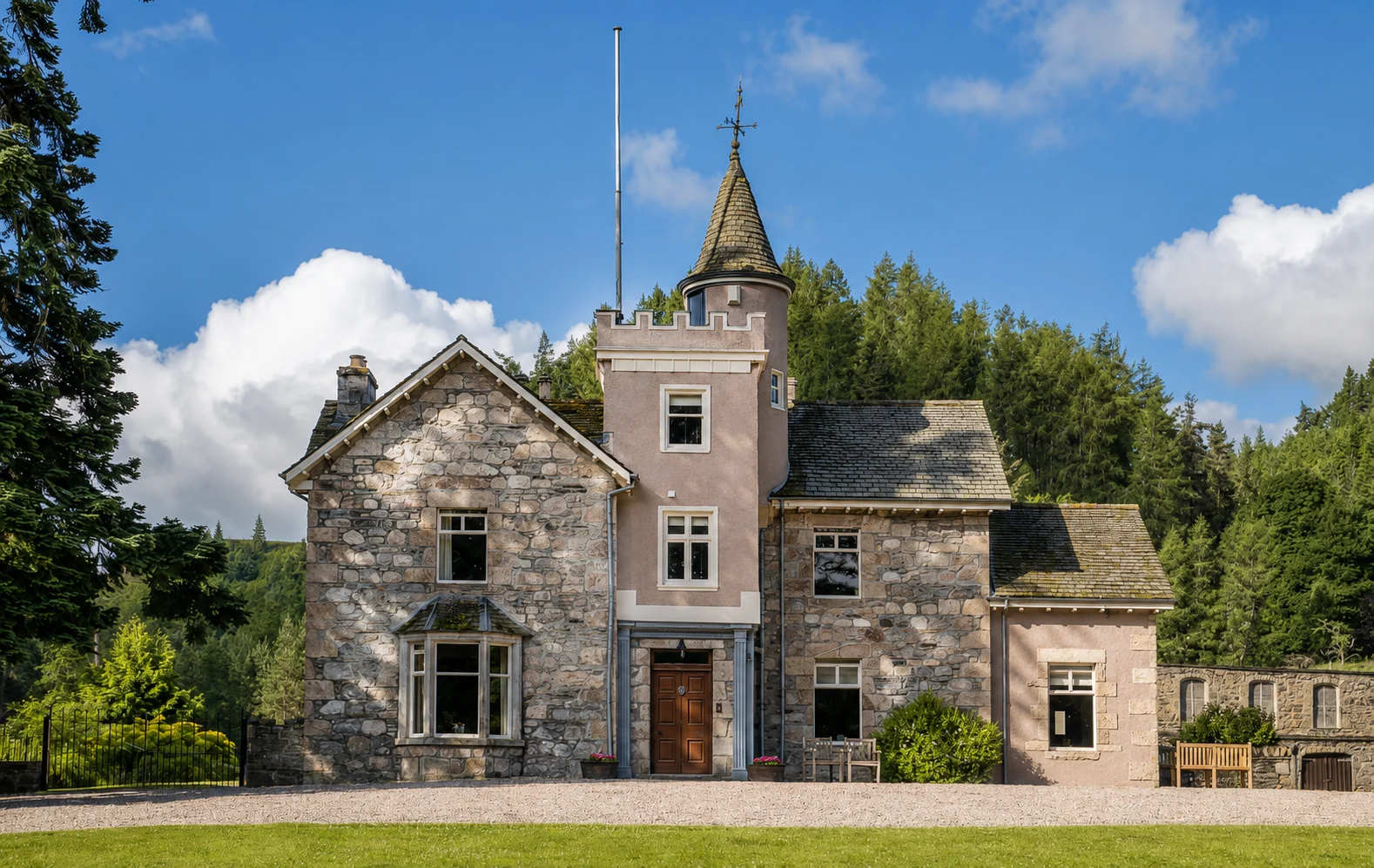
Accessible adventure
Choose terrain and distance to suit the group, from short local walks to more demanding mountain days.
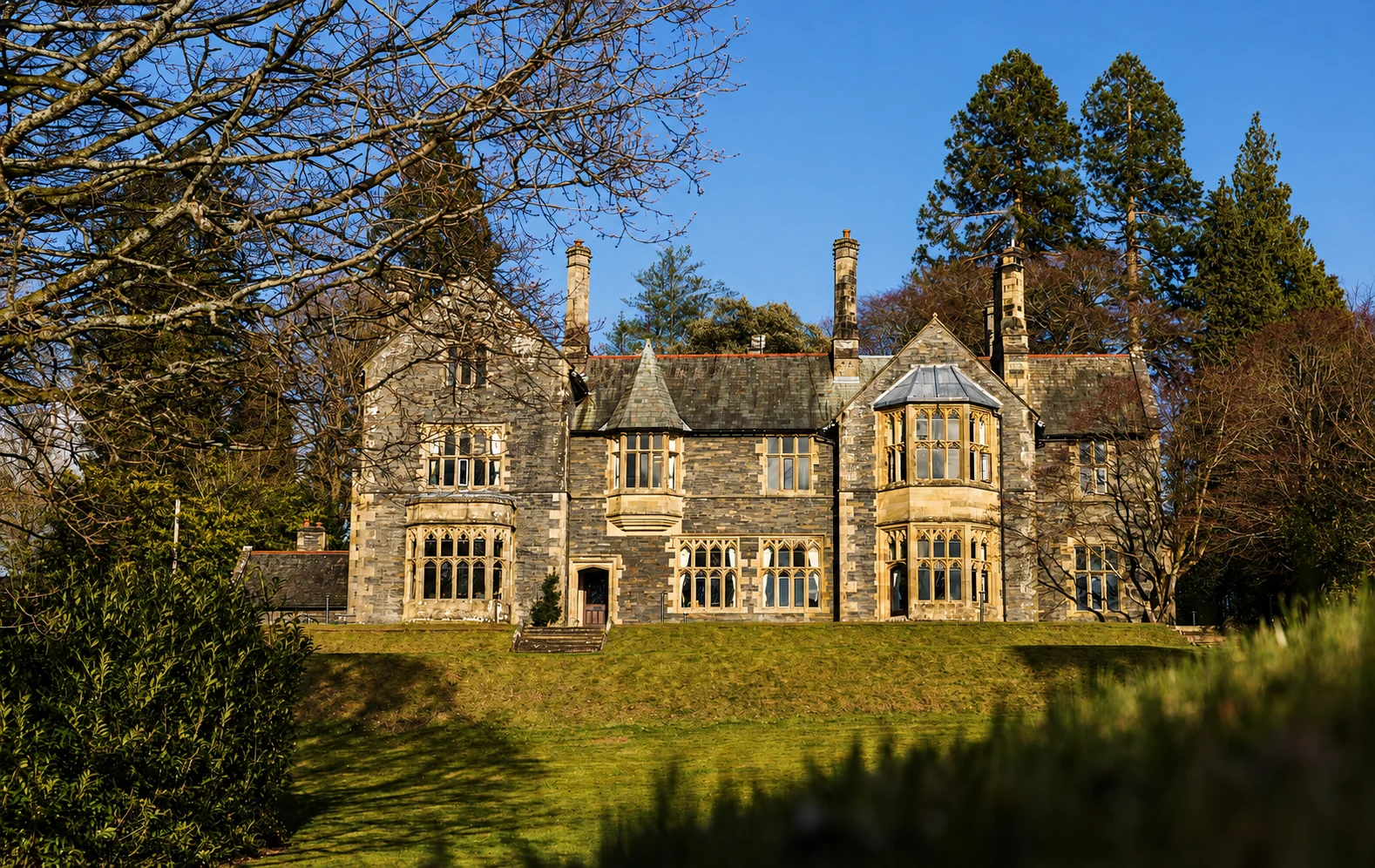
Perspective and energy
Fresh air and natural movement help guests reset between focused sessions and return with renewed attention.

Stronger connections
Walking side by side creates easy conversation and a memorable shared experience beyond the meeting room.
Planning the right hiking experience
Begin with the people in your group. Consider their experience, confidence and fitness before choosing distance or terrain. A successful day does not need to be the most demanding one; it needs to leave everyone energised enough to enjoy the evening.
Look for destinations with a choice of clearly marked trails, memorable viewpoints and reliable access. Check the terrain, daylight hours and seasonal conditions, and always leave room to shorten or change the route if the weather turns.
Bring your own gear or hire locally?
Comfortable, familiar boots and a well-fitted daypack are worth bringing. Bulkier equipment such as trekking poles, specialist outerwear or camping kit may be easier to hire, particularly when travelling by air. Local outdoor shops can also help match equipment to current trail conditions.
Three classic Scottish walking experiences
The West Highland Way
Scotland’s best-known long-distance route travels from Milngavie towards Fort William through lochside paths, open moorland and mountain scenery. It can be approached as a complete multi-day journey or sampled through shorter sections that work beautifully as part of a Highland stay.
The Isle of Skye
Skye offers some of the country’s most recognisable landscapes. Routes around the Old Man of Storr and the Quiraing combine extraordinary rock formations with wide coastal views, while the Cuillin demand greater mountain experience and careful planning.
The Speyside Way
Following river valleys and old railway paths through the north-east, the Speyside Way offers a gentler long-distance character. Woodland, open countryside and communities associated with the region’s whisky heritage make it ideal for walkers who want landscape and culture in equal measure.
Find your pace
Types of hiking holidays
Day walks
Return to a comfortable base each evening after a carefully chosen local route.
Long-distance trails
Travel through changing landscapes over several days, carrying the rhythm of the path with you.
Guided walking
Discover local stories, quieter paths and greater confidence with an experienced guide.
Family adventures
Shorter routes, varied terrain and rewarding stops make the outdoors enjoyable across generations.
Wellness walks
Gentle movement, quiet landscapes and unhurried pauses create a restorative daily practice.
Family adventures
Shorter routes, varied terrain and rewarding stops make the outdoors enjoyable across generations.
Family adventures
Shorter routes, varied terrain and rewarding stops make the outdoors enjoyable across generations.
Guides, groups and walking events
A qualified local guide can transform a walk through knowledge of weather, wildlife, history and less obvious routes. Guided days are especially valuable for unfamiliar mountain terrain or mixed-ability groups. Scotland also hosts walking festivals and organised events throughout the year, creating an easy way to join a wider community.
Practical preparation
Weather and navigation
Scottish conditions can change quickly. Carry waterproof outer layers, warm clothing, a charged phone and an offline map. For remote routes, take an appropriate paper map and compass and know how to use them. Share the intended route and expected return time with someone before setting out.
What to pack
Choose supportive footwear, moisture-wicking layers and a comfortable backpack. Bring water, energy-rich food, sunscreen, a hat, a head torch, a whistle and a compact first-aid kit. A dry bag or waterproof liner helps protect spare clothing and electronics.
Walking responsibly
Follow the Scottish Outdoor Access Code, respect livestock and wildlife, close gates and take litter away. Stay on durable paths where possible and give other visitors space to enjoy the landscape.
A comfortable base changes the day
After time outdoors, thoughtful accommodation becomes part of the pleasure: space to dry kit, a restorative meal, comfortable rooms and a warm shared area where the day can continue in conversation. A well-located retreat also makes it easier to match different routes to different guests without losing the sense of gathering together.
For teams
Walking as part of a corporate retreat
Walking introduces a useful change of pace between strategic sessions. Pairs can discuss a focused question on the trail, while a longer group route creates a shared challenge without the artificial feel of conventional team building.
Keep the objective simple, match the route to the least experienced guest and allow time afterward for food, reflection and informal conversation.
Explore the original Rachel’s Farm walking and hiking guide.